
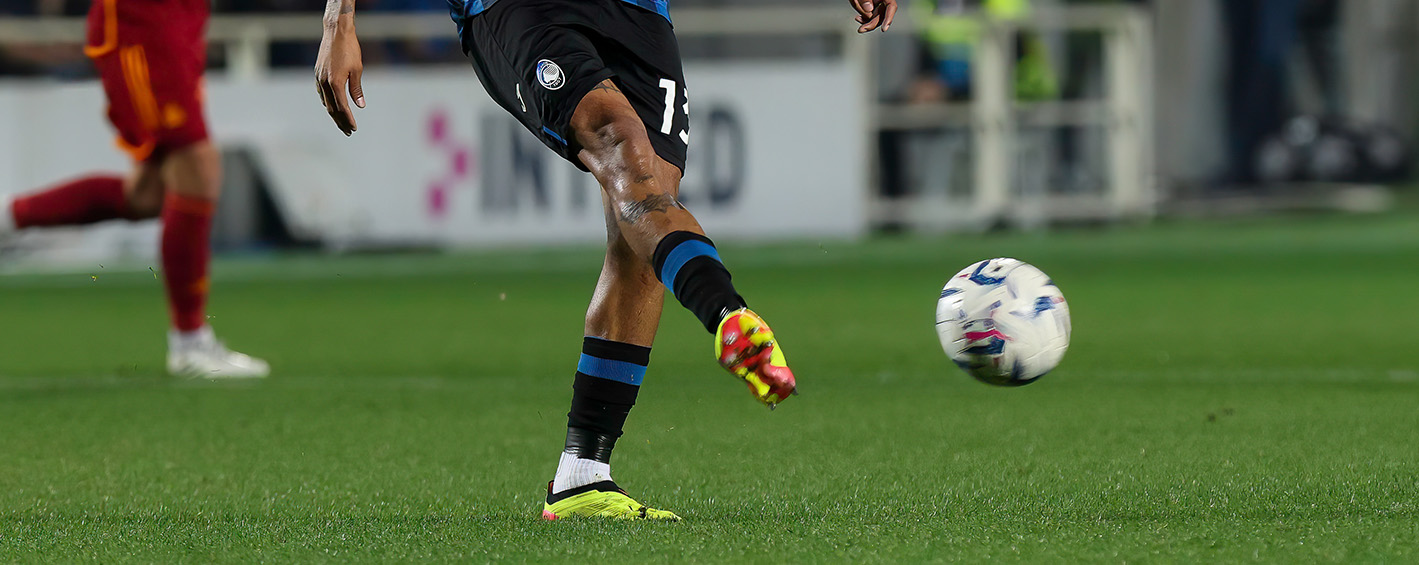
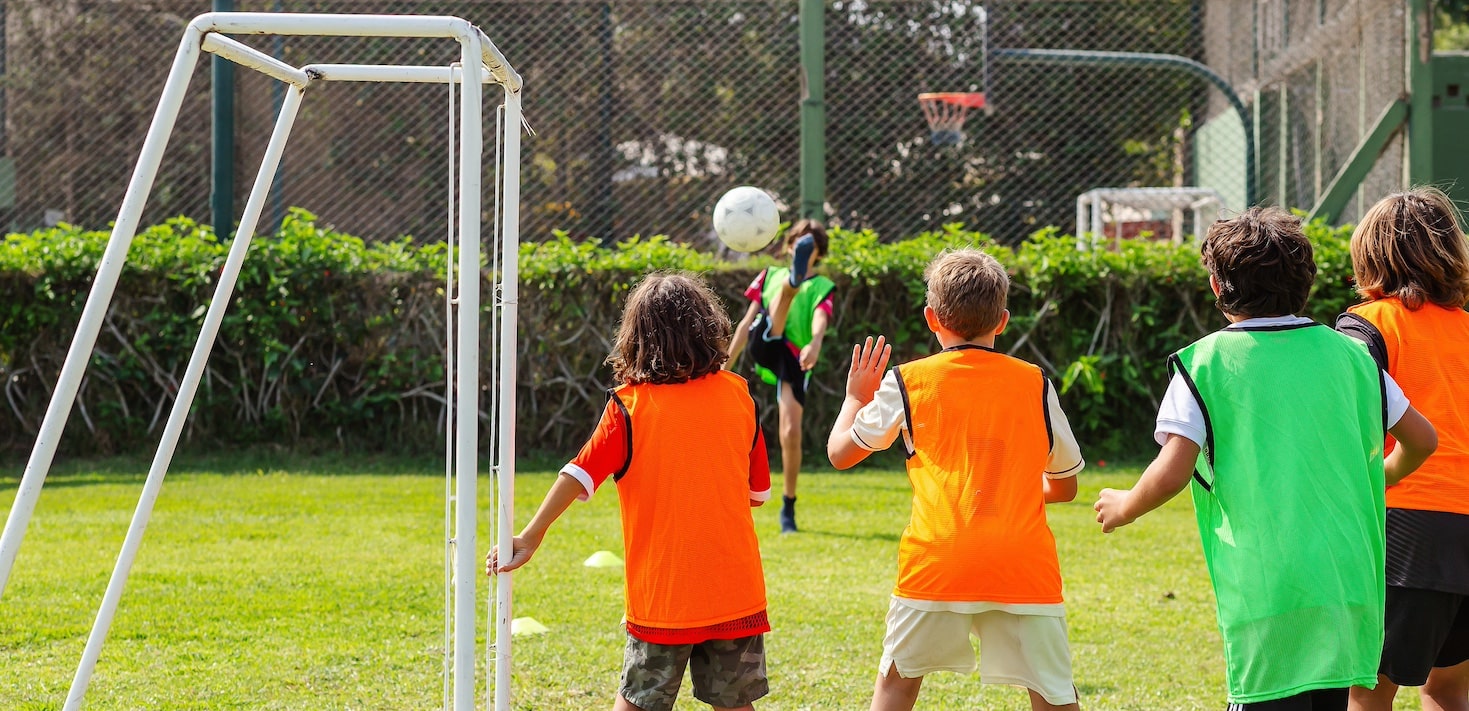
One of the most under-coached aspects of youth soccer coaching is reaction. Far too often, after a shot is taken, players switch off. The ball rebounds off the goalkeeper, strikes the post, or bounces back into play — yet attackers stand still, while defenders are slow to reset.
In these crucial seconds, games can be won or lost. Transition moments — the split-second when possession changes hands — often dictate whether your team scores or concedes.
Why Transition Play is So Important in Youth Soccer
Modern soccer is played at a high tempo, and the best teams dominate because of their reactions in transition. When the ball is lost, they press immediately to win it back. When they win possession, they counter with speed and purpose. And when a shot is taken, attackers don’t admire their effort — they anticipate rebounds.
Youth players, however, often lack this awareness. They stop moving after shooting, hesitate when possession is lost, or fail to follow in. Teaching reaction speed and transitional habits is vital for developing well-rounded players.
Key benefits of transition coaching:
-
Creates more goal-scoring chances through rebounds and fast counters.
-
Prevents “cheap” goals by reacting quickly to turnovers.
-
Instills proactive habits that scale into 11v11 soccer.
-
Makes your team sharper, fitter, and harder to play against.
Coaching Habits That Win Transitions
For youth soccer coaches, it’s not about complicated tactics — it’s about building habits through repetition. Here are the three golden rules every player should learn:
-
After shooting, follow in.
Never admire your strike. Sprint toward goal anticipating a rebound, loose ball, or goalkeeper save. -
After losing the ball, react instantly.
The first step matters: forwards press, midfielders cover, defenders recover. Standing still is never an option. -
Play to the whistle.
Instill the discipline that the game continues until the ball is out or danger is cleared.
These rules can be embedded into everyday soccer drills by adding live rebounds, quick turnovers, or coach-fed second balls. The more players experience these situations in training, the more instinctive their reactions will become in games.
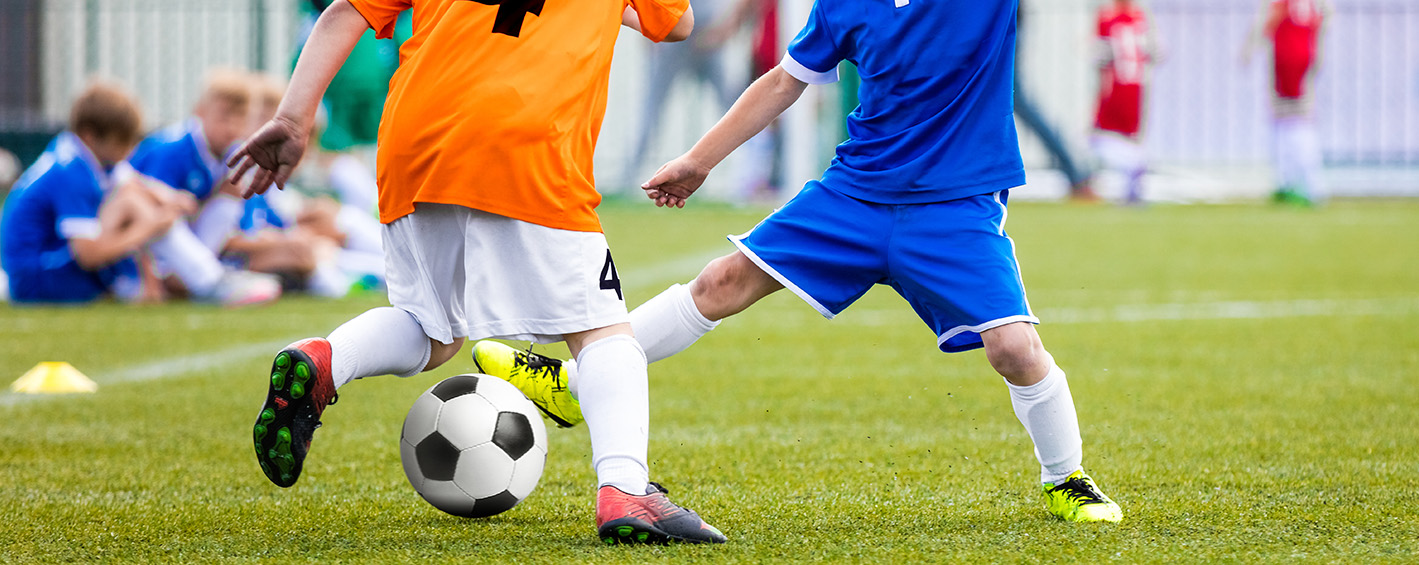
Soccer Drills: Coach’s Toolbox for Reaction and Transition
Here are three simple yet powerful soccer training activities you can plug directly into your next session:
1. Rebound Chase
-
After every shot, the coach feeds a second ball back into play.
-
Attacking players must react instantly — either finishing again or pressing the defender.
-
Coaching focus: quick second efforts, awareness of rebounds.
2. The 3-Second Rule
-
After losing possession, players have three seconds to press and try to win it back.
-
If unsuccessful, they drop into defensive shape.
-
Coaching focus: immediate pressing, speed of reaction, unit communication.
3. Follow-In Finishes
-
Strikers must sprint toward goal after every shot.
-
Goals only count if scored on a rebound.
-
Coaching focus: anticipation, striker’s instinct, never switching off.
These mini-drills keep sessions sharp and game-relevant, helping players react instinctively instead of pausing.
Progressive 3-Session Mini Plan: Training Transition Play
To build reaction and transition into your coaching, here’s a 3-session soccer coaching plan you can run over several weeks. Each session focuses on a different moment of transition.
Session 1 – Attack to Defence (Immediate Reaction)
Focus: Winning the ball back quickly after losing it.
-
Warm-Up: 4v2 rondo with a twist — if the ball is lost, pressing players must sprint to cones before rejoining.
-
Main Practice: 4v4 in a 20x20 grid. The team that loses possession has three seconds to press before dropping into defensive shape.
-
Progression: Add target mini goals for counter-attacks.
-
Coaching Points: First step speed, nearest player presses, teammates cut off passing lanes, constant communication.
Session 2 – Defence to Attack (Fast Counter Play)
Focus: Exploiting space the moment possession is regained.
-
Warm-Up: 3v2 transition races. If defenders win the ball, they must counter and score in mini goals within five seconds.
-
Main Practice: 5v4 attacking overload. If the defending team wins possession, they counter quickly into small goals.
-
Progression: Introduce a 7-second counter-attack rule.
-
Coaching Points: Look forward immediately, use width, runners break at speed, decision-making in final third.
Session 3 – Reacting to Rebounds
Focus: Following in after every shot and recovering instantly when possession is lost.
-
Warm-Up: Shooting lines where the coach feeds a second ball after every attempt.
-
Main Practice: 4v4 game to goal where play continues on rebounds and second balls.
-
Progression: Defenders can counter if they win the rebound.
-
Coaching Points: Strikers anticipate rebounds, midfielders alert on the edge of the box, defenders recover instantly to protect goal.
Common Coaching Mistakes in Transition Training
Even experienced coaches can fall into traps when teaching transition play. Watch out for these:
-
Overloading with theory. Keep instructions clear and simple. Players need actions, not lectures.
-
Stopping play too often. Allow players to experience the flow of fast transitions before freezing and correcting.
-
Ignoring fitness demands. Transition training is high intensity. Manage workloads and allow for recovery periods.
-
Failing to reward reactions. Praise instant pressing, rebound chasing, and quick counters. Positive reinforcement builds habits.
Key Takeaways for Coaches
-
Transition moments often decide matches — don’t leave them to chance.
-
Instill sharp habits: follow shots, press instantly, play to the whistle.
-
Use soccer drills that replicate rebounds, turnovers, and fast counters.
-
Build progression with a structured training plan to embed instincts over time.
The sharpest youth soccer teams thrive in transitions because they turn wasted moments into opportunities. With deliberate soccer coaching, you can transform your players from passive observers into proactive game-changers.
✅ Pro Tip: Share this 3-session plan with your assistant coaches or team parents — consistency across sessions makes transitions a team-wide habit.


Improve Your GameJust 1.99 p/m
Exclusive drills and sessions, get involved today!
- 100’s of Drills
- Coach to Camera Videos
- Sessions from Pro’s
- Industry Leading Advice
Transition is the heartbeat of the game. If your youth players learn to react instantly — to press when the ball is lost, to chase rebounds after a shot, and to counter with speed — your team will gain a crucial edge.
By embedding these soccer drills into your training sessions, you’ll see fewer wasted chances, more goals scored, and fewer conceded. Most importantly, you’ll be developing players with the instincts and awareness needed to succeed at higher levels of the game.

Cupello
UEFA B Coach, FA Level 3, FA Youth Modules 1, 2 and 3, Coerver Youth Diploma, SPAIN: Catalan Football Federation Smart Football, USA: United Soccer Coaches diploma. Sports journalist for the Sunday Mirror published author of several volumes of coaching books & international lecturer on soccer.