

Teaching players to “read” the game gives them an edge that helps turn opportunities into goals.
Encourage your players to look for clues. Does the opposition have a defender who always dives in? That’s an invitation to use feints and quick changes of direction. Is their goalkeeper hesitant when the ball is crossed? Then attacking wide and delivering balls into the box becomes a priority. Maybe their midfielders are strong physically but slow to recover – which means playing quick passes and exploiting space behind them will cause problems.
When out of possession, players should also think about where the danger zones will be. If the opposition has a powerful striker, defenders need to anticipate where he or she likes to receive the ball and cut off supply. If they’re quick on the wings, the full-backs must be switched on early, forcing them inside instead of letting them exploit open space.
Coaches can turn this into a learning habit by building “game intelligence” challenges in training. For example, ask players during breaks: “Where do you think we can hurt them?” or “Who looks uncomfortable when pressed?” Giving them ownership over these decisions builds confidence and awareness.
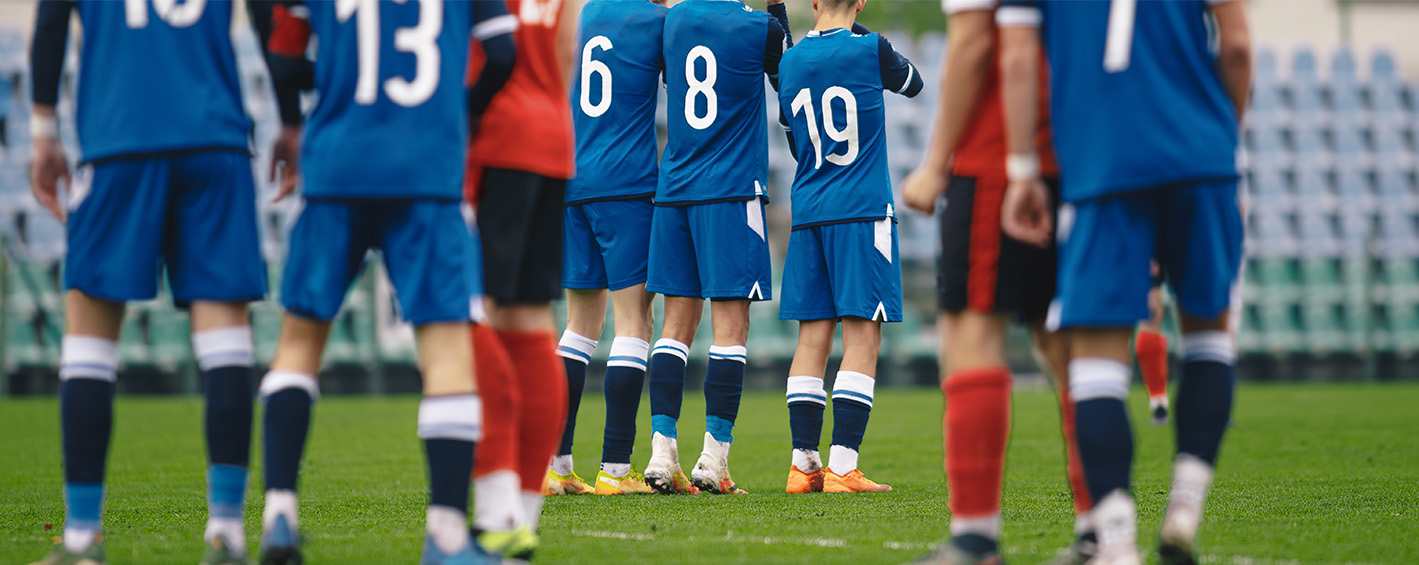
Coach’s Toolbox – Spotting Opposition Weaknesses
🔑 Key Phrases to Use in Training and Matches
-
“Find the weak link – who looks uncomfortable?”
-
“Exploit space, don’t force it.”
-
“If they dive in, make them miss.”
-
“Where’s their danger? Shut it down.”
-
“Play where they don’t want to defend.”
🎯 Player Challenges
-
Scanning Challenge: Every player must scan three times before receiving the ball – check space, opposition, and teammates.
-
Target Weak Link: Identify one opposition player who struggles under pressure and commit to pressing or attacking them.
-
Switch the Point: If one side is strong, challenge players to switch quickly and attack the opposite flank.
-
Out of Possession: Defenders identify who the main danger is and communicate this to teammates.
👀 Coach Observation Tips
-
Watch if players notice mismatches (slow defender vs quick attacker, tall vs short match-ups).
-
Observe whether players adapt after mistakes (e.g., keep dribbling into the same strong defender or start switching play).
-
Look for players who scan and act instead of reacting late.
-
Notice how quickly players transition between recognising a weakness and acting on it.
-
Track communication – are players sharing what they see with teammates?
✅ Key Coaching Reminder
Game intelligence is learned by repetition and reflection. Keep asking “What did you see?” and “What could we do differently?” to hardwire smart thinking into your players.

3-Session Mini-Plan: Recognising & Exploiting Opposition Weaknesses
Session 1: Scanning and Awareness
Focus: Teaching players to recognise space, mismatches, and defensive shapes.
Setup:
-
5v3 possession game in 20x20 grid.
-
5 attackers must keep the ball; 3 defenders press.
Coaching Points:
-
Players scan before receiving – check defender positions.
-
Identify who presses quickly vs who holds back.
-
Attack weak defenders (the slower presser, the one who dives in).
Progression: Add target goals – players must pass into a target if they spot an unmarked passing lane.
Session 2: Exploiting Mismatches in Attack
Focus: Turning recognition into attacking actions.
Setup:
-
6v6 game + goalkeepers, half-pitch.
-
One team sets up with an intentional imbalance (e.g., weaker full-back vs quick winger).
Coaching Points:
-
Recognise where 1v1 is favourable.
-
Switch play if one side is “locked down.”
-
Use quick combinations to isolate weaker defenders.
Player Challenge: Score at least once by targeting the identified weaker zone.
Session 3: Transition & Defensive Weaknesses
Focus: Reading opposition structure immediately after winning/losing the ball.
Setup:
-
8v8 transition game, 40x30 yards.
-
On turnover, team has 8 seconds to attack.
Coaching Points:
-
Spot defensive disorganisation (who’s out of position after losing the ball).
-
Attack central gaps if defenders are wide.
-
Attack wide if centre is overloaded.
Player Challenge: Within 5 seconds of winning the ball, identify and call out the space to attack.
Coach’s Role Across All Sessions
-
Keep asking guiding questions:
-
“Where’s the weakness?”
-
“Who do we want on the ball?”
-
“What happens if we switch play?”
-
-
Reinforce scanning, communication, and speed of decision-making.
⚡ By the end of these 3 sessions, players should not only see weaknesses but exploit them deliberately in games — a huge step toward smarter, more adaptable football.


Improve Your GameJust 1.99 p/m
Exclusive drills and sessions, get involved today!
- 100’s of Drills
- Coach to Camera Videos
- Sessions from Pro’s
- Industry Leading Advice
The best teams aren’t just skilled – they’re clever. By helping young players recognise weaknesses in the opposition, you prepare them to play smarter football, adapt to different challenges, and find the keys to unlock any defence.



Cupello
UEFA B Coach, FA Level 3, FA Youth Modules 1, 2 and 3, Coerver Youth Diploma, SPAIN: Catalan Football Federation Smart Football, USA: United Soccer Coaches diploma. Sports journalist for the Sunday Mirror published author of several volumes of coaching books & international lecturer on soccer.