
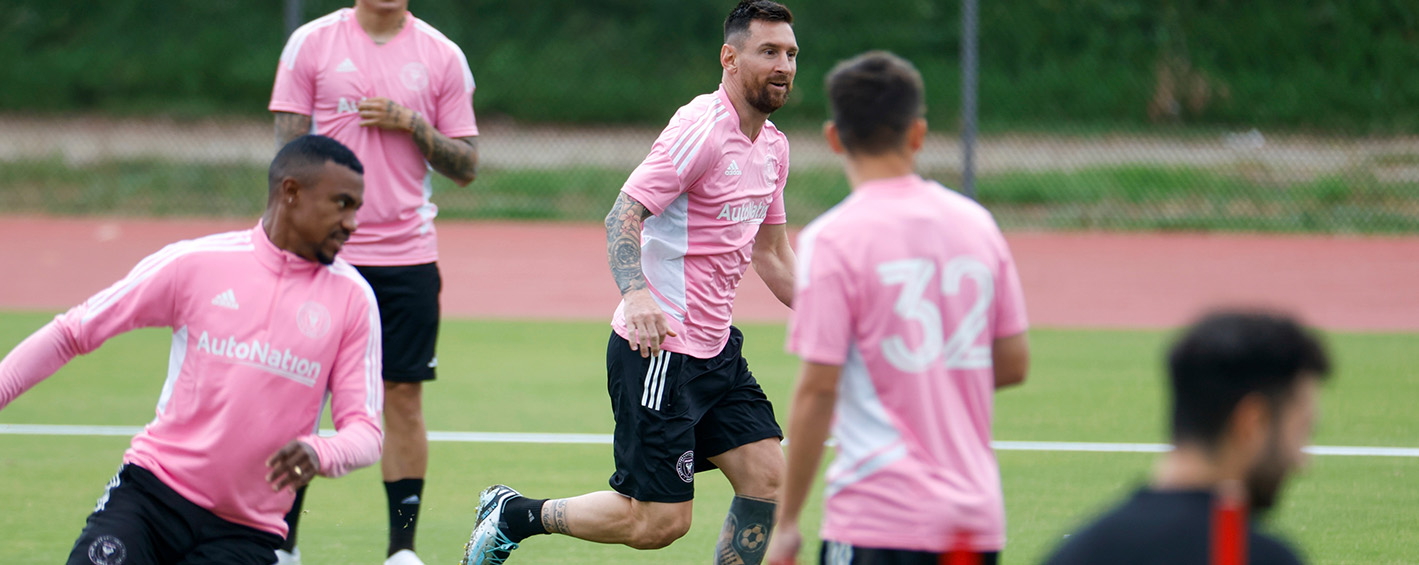
The best soccer players are defined not just by technical skill but by their reaction speed in transition.
For youth coaches, this means embedding habits early:
-
React instantly when the ball is lost — press or recover.
-
Exploit space quickly when possession is won — counter with speed.
-
Follow every shot — expect rebounds and second chances.
-
Play to the whistle — the game isn’t over until the danger is cleared.
The following soccer drills for transitions are designed to create these habits through realistic, competitive training sessions.
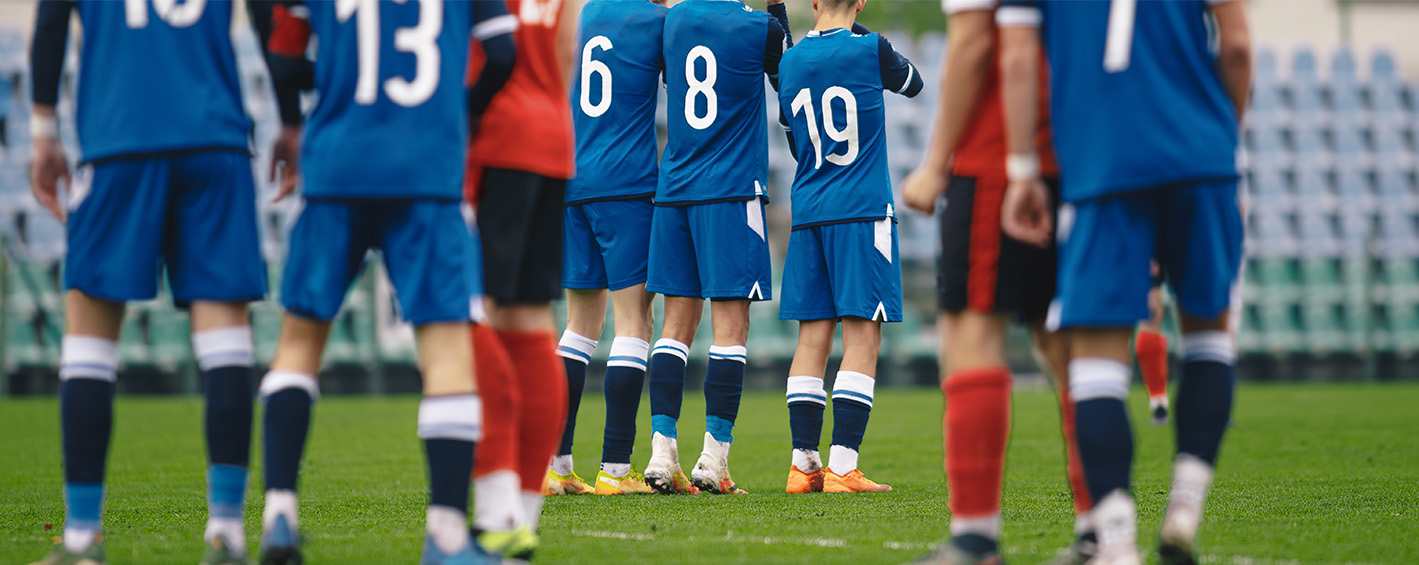
Session 1 – Attack to Defence: Pressing After Losing the Ball
Drill Overview
When possession is lost, defenders often react too slowly. This drill teaches players to press instantly, prevent counters, and recover compact defensive shape.
Setup
-
Players: 8–12
-
Area: 20x20 yard grid
-
Time: 20–25 minutes
-
Equipment: Cones, bibs, balls
How to Run It
-
Start with a 4v2 rondo. If the defenders win the ball, they must sprint to cones on the sideline before rejoining. This creates an instant reaction habit.
-
Progress to a 4v4 possession game. When a team loses the ball, they have 3 seconds to press before dropping into shape.
-
Add target goals so pressing teams can counter immediately after winning possession.
Coaching Points
-
First step must be forward, not backward.
-
Nearest player presses, others cut off passing lanes.
-
Stay compact and communicate as a unit.
-
Never stand still — either press or recover.
Variations
-
Touch limits to increase tempo.
-
Countdown timer for immediate pressing.
-
Overload teams (4v3) to test reactions under pressure.
Why It Works
This drill forces players to react within seconds of losing possession. Instead of switching off, they develop the instinct to press, recover, and stop counters before they start.
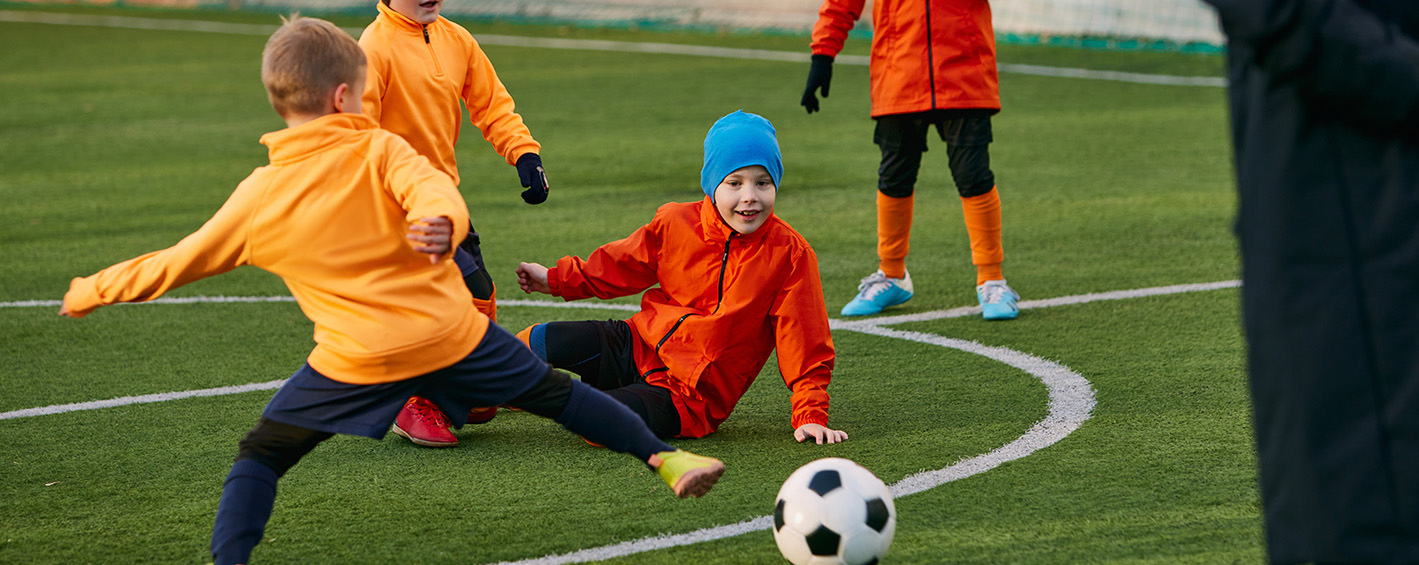
Session 2 – Defence to Attack: Countering with Speed
Drill Overview
Winning possession is only half the battle. The real danger comes from counter-attacking quickly while the opposition is still disorganised. This drill sharpens players’ ability to attack with pace, width, and purpose.
Setup
-
Players: 10–12
-
Area: Half-pitch with mini goals
-
Time: 20–25 minutes
-
Equipment: Cones, bibs, balls
How to Run It
-
Start with 3v2 transition races. Defenders win the ball and must break into mini goals within 5 seconds.
-
Progress to a 5v4 attacking overload. If defenders win possession, they counter into mini goals.
-
Add a 7-second counter rule to train speed and decision-making.
Coaching Points
-
First pass forward if possible.
-
Use width and runners to stretch play.
-
Support at pace — midfielders must break quickly.
-
Decision-making: counter direct vs. secure possession.
Variations
-
Add a retreating defender to increase pressure.
-
Limit attacking teams to two passes before shooting.
-
Add zones for runners to hit during the counter.
Why It Works
This drill replicates the moments after winning the ball, teaching youth players to transition instantly into attack. With repeated practice, players learn to punish opponents while they’re vulnerable.
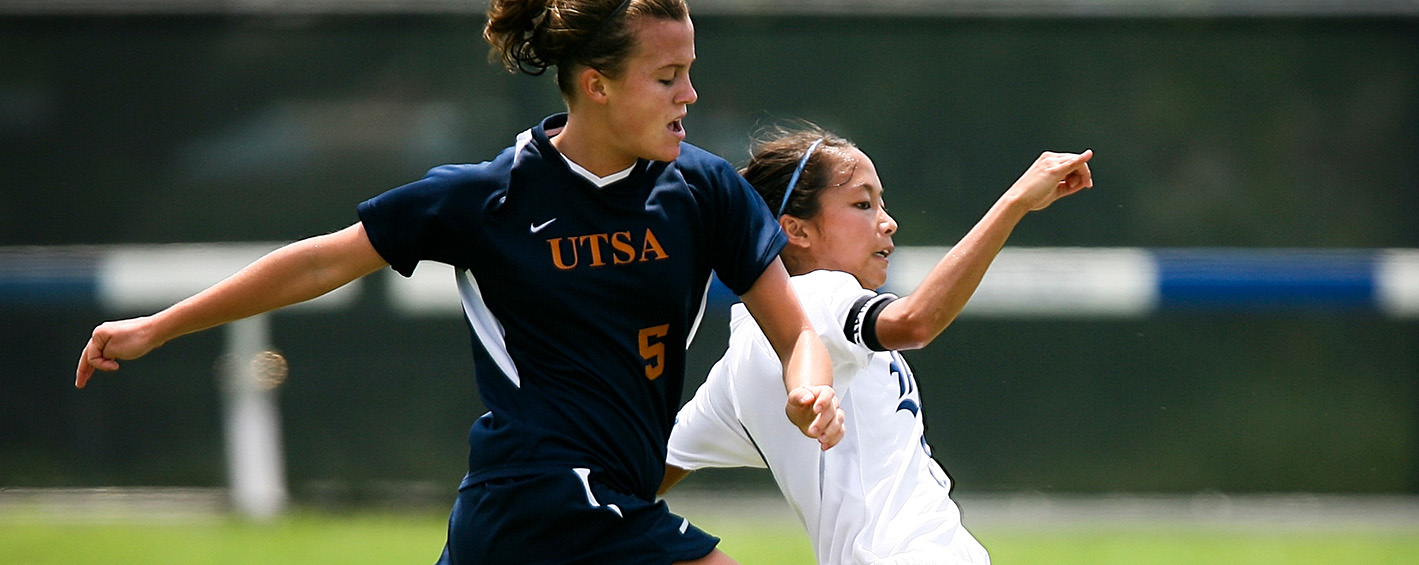
Session 3 – Reacting to Rebounds: Finishing Second Chances
Drill Overview
Many youth players stop after shooting — but the best strikers score by following in and reacting to rebounds. This drill creates the mindset that finishing doesn’t stop at the first shot.
Setup
-
Players: 8–12
-
Area: Penalty box
-
Time: 20 minutes
-
Equipment: Full-sized goal, goalkeeper, balls, bibs
How to Run It
-
Players line up 20 yards out. Coach feeds a ball for a shot.
-
Immediately after the strike, coach feeds a second ball into play.
-
Attackers must finish the rebound or press to regain possession.
-
Rotate quickly to keep tempo high.
Coaching Points
-
Follow every shot — never admire your effort.
-
Anticipate rebounds off keeper, posts, or defenders.
-
Stay balanced to strike cleanly under pressure.
-
Defenders must recover instantly to clear danger.
Variations
-
Add live defenders for realism.
-
Restrict rebound finishes to one-touch.
-
Midfielders positioned at edge of box react to long rebounds.
Why It Works
This soccer drill builds habits of alertness and anticipation. Strikers develop a predator’s instinct, while defenders and goalkeepers sharpen recovery skills.
Coach’s Toolbox – Mini Transition Activities
Here are 3 bite-sized drills to reinforce transitions at any session:
-
Rebound Chase: After every shot, coach throws a second ball. Players must react instantly to finish or press.
-
3-Second Rule: After losing the ball, players have 3 seconds to win it back before retreating.
-
Follow-In Finishes: Strikers sprint after shooting, aiming to score off rebounds or goalkeeper spills.
These mini-games build reaction speed and can slot into warm-ups or end-of-session competitions.


Improve Your GameJust 1.99 p/m
Exclusive drills and sessions, get involved today!
- 100’s of Drills
- Coach to Camera Videos
- Sessions from Pro’s
- Industry Leading Advice
Key Takeaways: Why Transitions Training Wins Matches
-
Transition is the heartbeat of the game — possession changes decide outcomes.
-
Teach players to react instantly — pressing, countering, or following in shots.
-
Small habits like first steps, anticipation, and recovery create massive improvements.
-
Embedding transitions into training makes teams more proactive, sharp, and dangerous.
Youth soccer players who master transitions become complete players. They don’t stand still when the game changes — they make things happen. And for coaches, these soccer drills for transitions provide the perfect toolkit to sharpen reactions, improve finishing, and stop counter-attacks before they start.
✅ Final Message: Train your youth players in transitions, and you’ll turn wasted chances into goals — and prevent soft goals at the other end.

Cupello
UEFA B Coach, FA Level 3, FA Youth Modules 1, 2 and 3, Coerver Youth Diploma, SPAIN: Catalan Football Federation Smart Football, USA: United Soccer Coaches diploma. Sports journalist for the Sunday Mirror published author of several volumes of coaching books & international lecturer on soccer.