
The best soccer workouts train what a match actually asks of a player: short sprints, sharp changes of direction, the engine to keep repeating both, and strong legs and hips that hold up in tackles and landings. For most players, two short strength sessions, one speed session and one conditioning session a week will do more than any single “best” exercise. Pick two or three workouts from each group below, do them well and build up slowly.
All 20 workouts need little or no gym kit. The speed, agility and conditioning work can go straight into team training; the strength work suits older players at home or in the gym. Every workout has a dose, what it trains, how to do it and a note for youth players. There is a sample weekly plan for in-season and off-season further down, and more on fitness and performance in our coaching library.
Before you start: five rules
- Warm up properly. Spend 10 to 15 minutes on a structured warm-up. The FIFA 11+ programme (and 11+ Kids for younger players) is free and well researched: a meta-analysis of trials found teams using FIFA 11+ had 39% fewer injuries. Our soccer warm-up drills give you more options.
- Do speed and jumps first. Sprints and jumps only work when players are fresh. Never tag them on after a hard run.
- Stop the rep when the quality goes. A sloppy sprint or a knee caving in on a landing is the signal to rest, not push on.
- Progress one thing at a time. Add a set, a rep or a little weight each week, not all three.
- Keep 48 hours before a match free of hard leg work. In-season, the match is the priority.
Speed workouts
Most sprints in a game are short, so the first few strides matter most. Give players full rest between reps; speed training done tired becomes conditioning.
1. Acceleration sprints
- Trains: the first 5 to 10 yards, getting away from a marker or closing down a ball carrier.
- Dose: 6 to 8 sprints of 15 yards, walking back for 60 to 90 seconds between reps.
- How: start from a jog, a side-on stance or a “fall” start (lean until you have to step). Drive the arms, push the ground back and stay low for the first three or four steps before running tall.
- Progression: resisted sprints. Drag an old tyre on a rope and belt, or have a partner hold a band round your waist. Keep the load light enough that the running action stays the same.
- Youth note: sprinting is safe at every age. For under-10s, turn it into races, tag and chase games rather than reps.
2. Flying sprints
- Trains: top speed, for long recovery runs and breaks in behind.
- Dose: 4 to 6 reps with 2 to 3 minutes’ rest.
- How: set cones at 0, 20 and 35 yards. Build up over the first 20 yards, then go flat out through the last 15. Relaxed face and shoulders, tall posture, quick feet under the hips.
- Youth note: fine from about U10. Keep the full rest so every rep is fast.
3. Hill sprints
- Trains: acceleration and leg power, with less impact than flat sprinting.
- Dose: 6 to 8 sprints of 10 to 15 seconds up a moderate slope. Walk back down as your rest.
- How: lean into the hill from the ankles, short powerful steps, arms driving. Stop the session when the times drop off.
- Youth note: pick a gentle slope and cap under-12s at 4 to 6 reps.
4. Reaction starts
- Trains: reacting to a cue and getting moving quickly, as players do after a loose ball or a turnover.
- Dose: 2 sets of 5 sprints over 10 yards, 30 to 45 seconds between reps.
- How: a partner drops a tennis ball, shouts a colour or points left or right; the player reacts and sprints to the right cone. Start from different positions: sitting, kneeling, facing backwards.
- Youth note: one of the best fitness activities for young players because it is a game. Make it a race between pairs.
Agility workouts
Agility in soccer is about changing direction quickly and under control, ideally in reaction to something. Start with set patterns, then add a cue or an opponent. Our agility drills for soccer post has more team-based ideas.
5. Four-cone box
- Trains: footwork into and out of turns, moving forwards, sideways and backwards.
- Dose: 4 to 6 laps in each direction, 60 seconds’ rest between laps.
- How: set four cones in a 5-yard square. Sprint forwards to cone 2, side-shuffle to cone 3, backpedal to cone 4, side-shuffle home. Variations: sprint to the first cone then cut diagonally across the box, or sprint forwards then backwards on alternate sides.
- Coaching points: hips low into each cone, short steps before the change of direction, eyes up.
- Youth note: suitable for all ages. Add a ball for younger players so it feels like soccer.
6. 5-10-5 shuttle
- Trains: 180-degree turns and re-acceleration.
- Dose: 6 reps, alternating the first direction, 60 to 90 seconds’ rest.
- How: three cones in a line 5 yards apart. Start at the middle cone, sprint 5 yards to one side and touch the line, sprint 10 yards to the far cone and touch, then sprint 5 yards back through the middle.
- Youth note: time it every few weeks; players like seeing themselves improve.
7. Ladder footwork
- Trains: quick, coordinated feet and rhythm.
- Dose: 2 to 3 rounds of four patterns (two feet in each square, lateral in-and-out, icky shuffle, single-leg hops).
- How: finish every rep with a 5-yard sprint, a pass or a shot so the footwork carries over to the game. See our soccer ladder drills for set-ups.
- Youth note: great coordination work for younger players. No ladder? Use chalk lines or cones.
8. Mirror drill
- Trains: reactive agility, the kind you need to stay with a dribbler.
- Dose: 6 reps of 10 seconds in each role, 30 seconds’ rest between reps.
- How: two players face each other in a 5-yard-wide channel. The leader shuffles, feints and changes direction; the follower mirrors them. Progress by letting the leader try to reach a cone at either end while the follower blocks, then add a ball.
- Youth note: pair players of similar size and speed.
Free Workout Tips From Premier League Coaches
Stay in the know with our newsletter! Receive complimentary workout sessions, effective drills, fitness news, and valuable resources delivered straight to your inbox.
JOIN OUR NEWSLETTEREndurance workouts
Soccer endurance is the ability to repeat high-intensity efforts and recover quickly, not to jog for an hour. Mix interval work with small-sided games, which train fitness and skill at the same time. Our soccer conditioning drills cover the team-session side.
9. Fartlek run
- Trains: aerobic base with changes of pace, like a real match.
- Dose: 20 to 30 minutes.
- How: mix steady running with faster bursts. A simple version is 1 minute hard, 3 minutes easy, repeated. Or use landmarks: fast to the next lamppost, easy for the next two.
- Youth note: under-12s do not need long runs. Small-sided games give them the same benefit with the ball.


Improve Your GameJust 1.99 p/m
Exclusive drills and sessions, get involved today!
- 100’s of Drills
- Coach to Camera Videos
- Sessions from Pro’s
- Industry Leading Advice
10. 15:15 intervals
- Trains: the ability to repeat hard runs, which is what tires players late in games.
- Dose: 2 sets of 8 to 10 minutes, with 3 minutes’ rest between sets.
- How: run hard (about 90% effort) for 15 seconds, then walk or jog for 15 seconds, and repeat. On a pitch, run across the width and walk back. If a player can’t reach the far line in time, shorten the distance rather than the rest.
- Youth note: best from around U14. Younger players get this from games like 4v4.
11. Stairs workout
- Trains: leg strength, the small stabilising muscles round the ankle and knee, and high-intensity cardio.
- Dose: 2 to 3 rounds of: 2 minutes running up and down a flight of stairs, 60 seconds’ rest, single-leg hops up two stairs at a time (5 each leg), 60 seconds’ rest.
- How: drive up quickly and come down under control. Add a third step to the hops once two feels easy.
- Safety: dry, well-lit stairs only, and hold the rail on the way down.
12. Home cardio circuit
- Trains: general fitness and leg endurance with no kit.
- Dose: 3 rounds. Rest 15 seconds between exercises and 90 seconds between rounds.
- How: high knees (30 seconds), squat jumps (30 seconds), star jumps (20 seconds), lateral jumps side to side (20 seconds), mountain climbers (30 seconds), then 5 burpees (squat, jump back to a press-up position, press-up, jump the feet in, stand and jump).
- Youth note: fine at any age as a home session. Coach soft, quiet landings.
Strength and power workouts
Strength helps players hold off opponents, strike the ball harder, win duels and stay injury-free. Learn each movement with bodyweight first and add load only when the technique is solid.
13. Squat
- Trains: quads, glutes and trunk, the base for sprinting and jumping.
- Dose: 3 sets of 6 to 10 reps, 90 seconds’ rest.
- How: feet about shoulder-width apart, chest up, sit the hips back and down until the thighs are roughly parallel to the floor, knees tracking over the toes. Progress from bodyweight to a goblet squat (one dumbbell or kettlebell held at the chest), then to a barbell.
- Youth note: bodyweight and goblet squats are suitable from early teens. Move to a barbell only with a qualified coach.
14. Trap bar deadlift
- Trains: the whole back of the body: glutes, hamstrings and back.
- Dose: 3 to 4 sets of 4 to 6 reps, 2 minutes’ rest.
- How: stand in the middle of the hexagonal bar, feet hip-width apart. Push the hips back, bend the knees and grip the handles with a flat back and chest up. Push the floor away and stand tall, then lower under control. The legs drive the lift; the back stays still.
- Youth note: learn the hip hinge with a broomstick or light kettlebell first. Heavy loading is for older teenagers with supervision.
15. Lunges, step-ups and single-leg squats
- Trains: single-leg strength and balance. Soccer is played on one leg most of the time.
- Dose: pick one: reverse lunges, step-ups onto a 12 to 18-inch box, or single-leg squats to a chair. 3 sets of 6 to 8 reps on each leg.
- How: for the single-leg squat, stand on one foot in front of a chair, the other leg held out in front. Sit back slowly until you touch the chair, then stand without using the free leg. Keep the knee in line with the middle of the foot. The advanced version is the pistol squat: full depth with no chair, very hard for beginners.
- Youth note: great bodyweight work for players from about 11 or 12. Hold a light dumbbell once 8 good reps are easy.
16. Nordic hamstring curl
- Trains: hamstring strength while the muscle lengthens, which is when sprinting hamstring injuries tend to happen.
- Dose: start with 2 sets of 3 to 5 reps, once or twice a week. Build to 3 sets of 6 over several weeks.
- How: kneel on a soft surface with a partner holding your ankles. Keep a straight line from knees to shoulders and lower yourself forward as slowly as possible, catching yourself with your hands. Push back up with your hands and repeat.
- Why it’s here: a 2019 meta-analysis found programmes including the Nordic curl roughly halved hamstring injury rates, though a later reanalysis argued the evidence is less certain. Either way, it is cheap, quick and widely used in professional soccer.
- Youth note: expect sore hamstrings for a few days at first, so start low and never do it the day before a match.
17. Box jumps and broad jumps
- Trains: explosive power for jumping, first steps and shooting.
- Dose: 3 to 4 sets of 3 to 5 jumps, with full rest (60 to 90 seconds).
- How: for box jumps, use a sturdy box you can land on comfortably in a quarter squat, then step down rather than jump down. For broad jumps, swing the arms, jump forward as far as you can and stick the landing for two seconds. Add pogo hops (small, quick, stiff-ankle jumps on the spot) for ankle stiffness.
- Youth note: keep the volume low and the landings quiet. Cut back on jumping during growth spurts.
Mobility and core workouts
18. Copenhagen plank
- Trains: the adductors (inner thigh), a common site of groin problems in soccer.
- Dose: 2 to 3 sets of 15 to 30 seconds on each side.
- How: lie on your side with your top leg resting on a bench or a partner’s arm. Lift your hips so your body forms a straight line, supported by the forearm and the top leg. Start with the knee on the bench (easier); progress to the ankle.
- Youth note: the knee version suits most young players.
19. Core trio
- Trains: trunk control for shielding, tackling and striking.
- Dose: 2 to 3 rounds of: front plank 30 to 45 seconds, side plank 20 to 30 seconds each side, dead bug 8 reps each side.
- How: in the plank, keep a straight line from head to heels on the forearms and toes; don’t let the hips sag. For the dead bug, lie on your back with arms and knees up, then lower the opposite arm and leg slowly while keeping the lower back pressed into the floor.
- Youth note: suitable for all ages. Quality beats long holds.
20. Mobility flow
- Trains: hip, ankle and upper-back range, which helps with striking, turning and recovery.
- Dose: 8 to 10 minutes after training or on a rest day.
- How: 5 “world’s greatest stretch” reps each side (lunge, elbow to instep, rotate and reach up), 8 hip 90/90 switches, 10 knee-to-wall ankle rocks each side and 5 slow side-to-side lunges each way.
- Youth note: a good habit to build early. Yoga and foam rolling are useful additions (see the reading list below).
Free Grassroots Fun Soccer Games eBook

Keeping players on top of their game throughout the season is critical, and small-sided games are ideal for this. There are over 50 activities in this guide to help you do just that.
Download Free NowSample weekly plans
These plans assume an older teenager or adult player with a Saturday match and two team training nights. Use the workout numbers above. In-season, the match and team training come first, so the extra work stays short. In the off-season, take the first week or two completely off, then use the plan below for four to six weeks before pre-season starts.
| Day | In-season | Off-season |
|---|---|---|
| Monday | Recovery: mobility flow (20) and an easy walk or bike | Strength A: squat (13), single-leg work (15), Nordic curl (16), core trio (19). Acceleration sprints (1) first |
| Tuesday | Team training, with acceleration (1) or flying sprints (2) at the start | Fartlek run (9) |
| Wednesday | Short strength session (30 to 40 minutes): 13, 14 or 15, 16, 18 | Mobility flow (20) or rest |
| Thursday | Team training, with agility (5 to 8) in the warm-up | Strength B: trap bar deadlift (14), jumps (17), Copenhagen plank (18). Agility (5, 6) first |
| Friday | Rest, or mobility flow (20) | 15:15 intervals (10) or stairs workout (11) |
| Saturday | Match | Speed: flying sprints (2) or hill sprints (3), then a kickabout or small-sided game |
| Sunday | Off, or 20 minutes of easy movement | Off |
If a player is sore, flat or not sleeping well, drop the extra session that week. More is not always better, and our post on when training becomes over-training covers the warning signs.
Youth players: age and safety guide
Strength training is safe and effective for children and teenagers when it is well designed and supervised. That is the position of both the UK Strength and Conditioning Association and the US National Strength and Conditioning Association. Neither sets a minimum age; the NSCA says that if a child is ready for organised sport (generally around 7 or 8) they can start appropriate resistance training. What matters is the child’s maturity, technique and experience, not just their birthday.
- Under 11: no separate fitness sessions needed. Use games, races, tag, ladder work and bodyweight movement inside normal training. 11+ Kids makes a good warm-up.
- U12 to U15: bodyweight strength (squats, lunges, planks, Copenhagens) twice a week, plus speed and agility in training. Learn the big lifts with a broomstick or light weights.
- U16 and over: progressive loaded strength work is appropriate, ideally with a qualified strength and conditioning coach checking technique.
- Growth spurts: players often get knee or heel pain during rapid growth. Reduce jumping and sprinting volume and get persistent pain checked by a physio or doctor.
- Stop if it hurts: muscle soreness the next day is normal; sharp pain or pain in a joint is not.
More fitness reading at Cupello
1. Why Fitness is Important for Female Players

High levels of fitness are vital for female soccer players. A strong physical profile helps with training schedules and also with match performance, it also cuts the risk of injury and adds to player well-being.
2. Exercises to Improve Lung Capacity

If you play soccer you will benefit from good lung capacity. Singers across the spectrum can teach soccer players about maintaining and developing their lung capacity
3. Beach Soccer – How it Develops Core Strength

Playing soccer or running training drills on the beach is a big factor in core strength – don't waste your holiday by the beach get running and playing on shifting sands to help build up your core strength.
4. Keep Muscles Supple with Yoga Practice
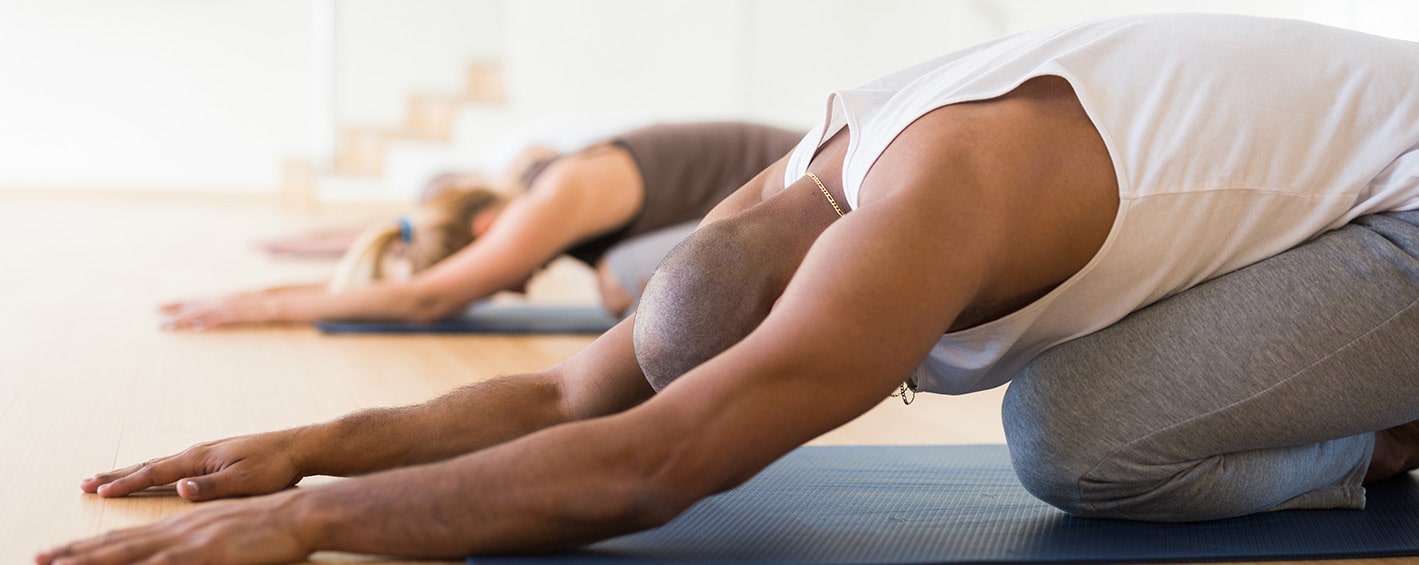
Working on fitness at home or the gym can be made much easier by working on cross-training and active recovery which is why so many soccer players do their own thing. Yoga is a simple way to add mobility and active recovery to your week.
5. Foam Rolling: Pros and Cons
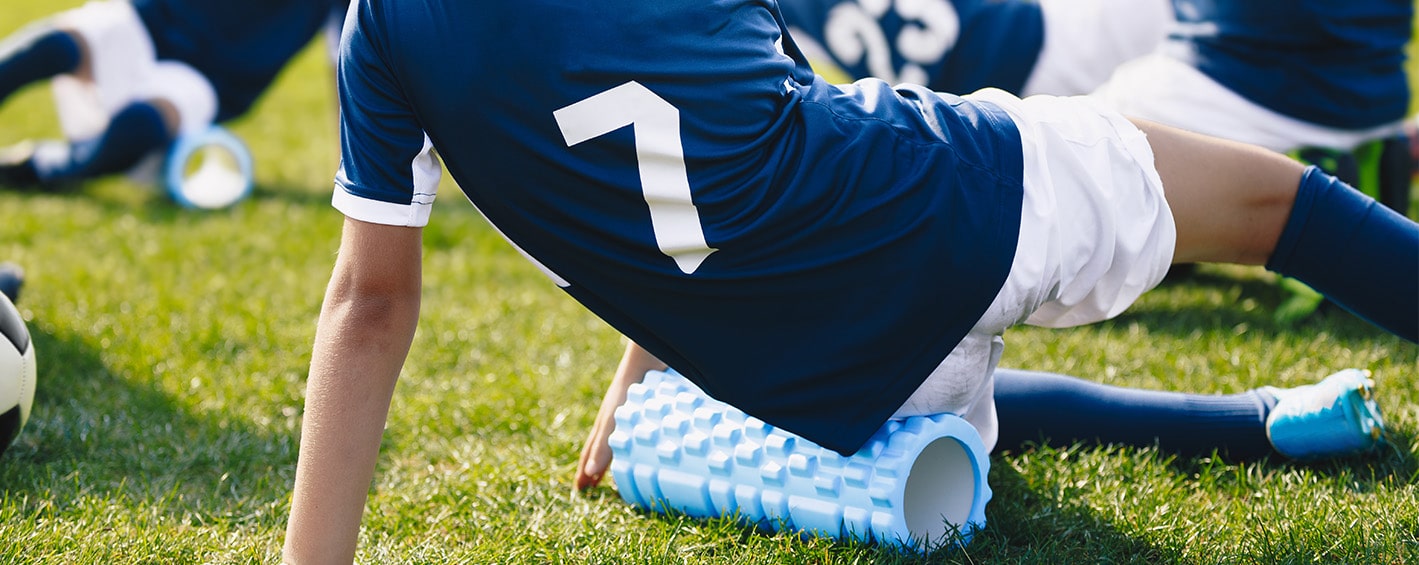
Foam rolling can be an effective tool to add to your warm-up or cool-down, before and after exercise. Read up on how foam rolling can help you as a coach and your players with their match day performance.


Cupello
Rethinking soccer coaching via our industry leading tools. Built to offer effective coaching development solutions for players and coaches of all levels.