
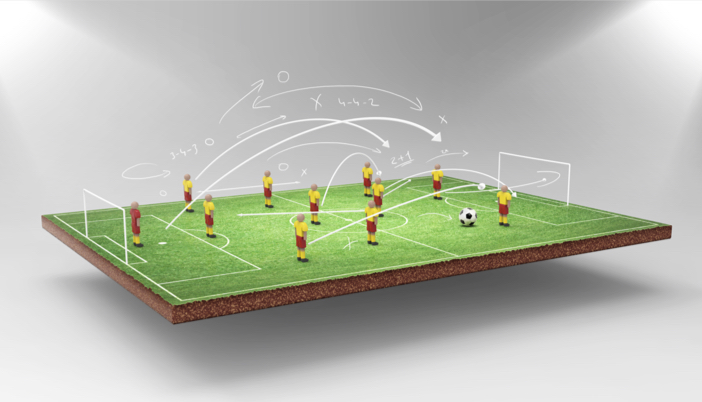
Coaches play a vital role in guiding players through this journey, ensuring that each stage develops the right habits, principles, and understanding of the game.
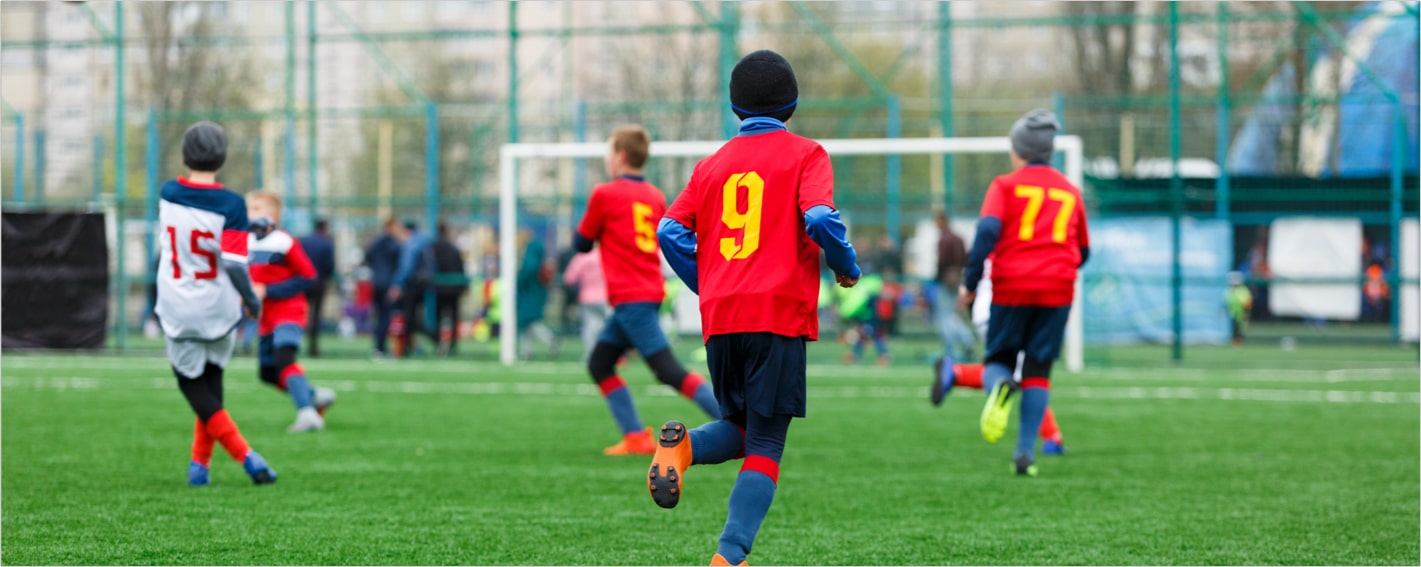
In 5v5, the focus should be on individual possession, 1v1 duels, spacing, and teamwork. Players must learn to support, create angles to receive, and understand the value of keeping the ball. The small-sided setup promotes touches, decisions, and constant involvement—perfect for learning the game’s foundations.
At 7v7, coaches should begin introducing basic team structure and transitions. Players start to recognise roles such as defenders, midfielders, and forwards. The key tactical goals are playing out from the back, creating width, and pressing as a team when possession is lost.
Moving to 9v9, the tactical picture expands. Coaches can now develop concepts such as building through thirds, compact defending, overlapping runs, and switching play. This format bridges the gap between learning and applying tactical awareness—encouraging players to read the game and make decisions under pressure.
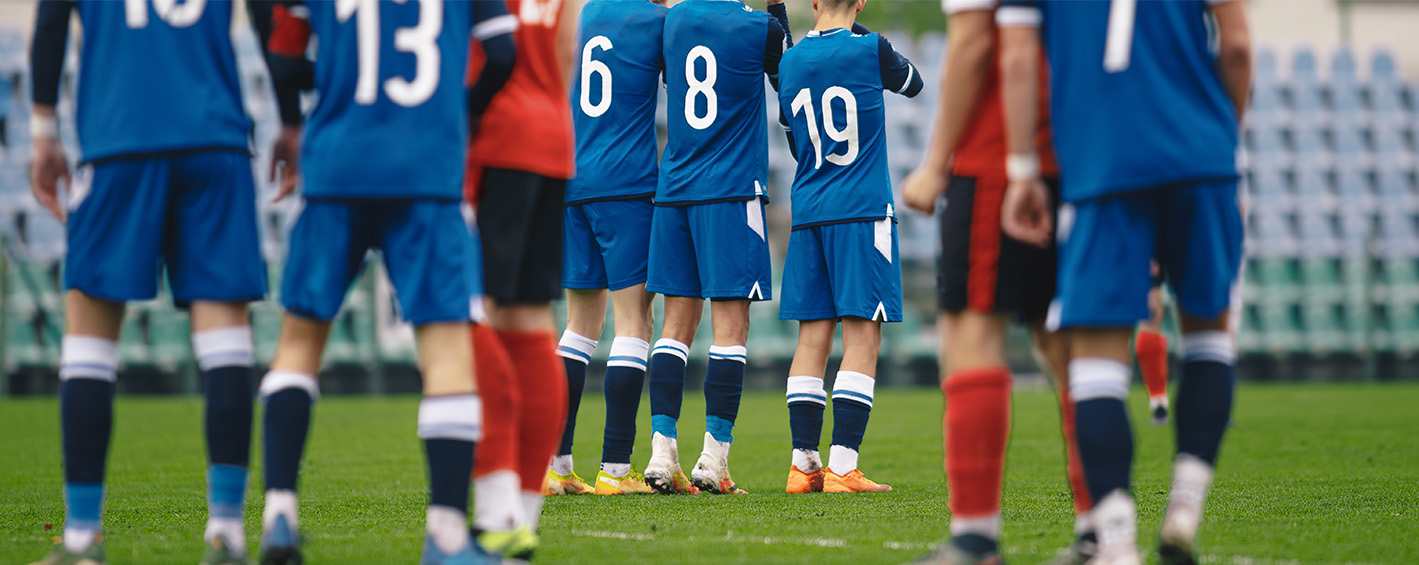
Finally, in 11v11, the full game demands a deep understanding of formations, rotations, and game management. Coaches should develop tactical adaptability—helping players understand when to press, when to drop, and how to exploit space collectively.
At every stage, the focus should remain on player understanding, not rigid systems. Encourage creativity, communication, and teamwork—tactics are simply tools to bring out the best in each player. By building tactical understanding step by step, coaches prepare young players not just to play the game, but to truly think it.
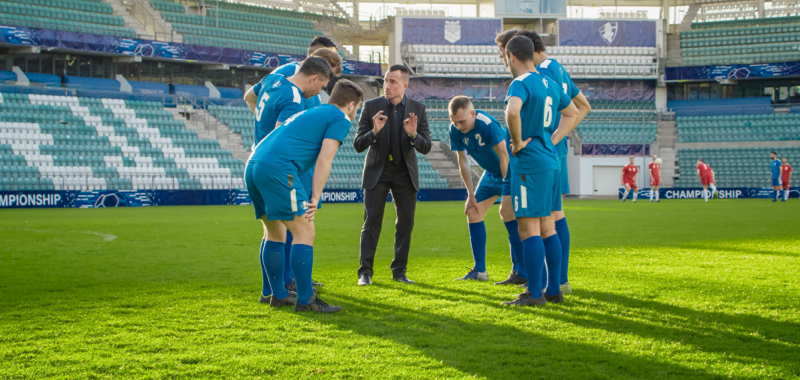
Key Phrases to Reinforce
-
“Find space, make space, use space.”
-
“Play what you see.”
-
“Support behind, beside, and beyond the ball.”
-
“Compact when defending, wide when attacking.”
-
“Build the habits now for the bigger game later.”
-
“Think, move, and talk — before the ball arrives.”
Player Challenges
5v5:
-
Can you always find a new space to receive?
-
Can you make a quick decision after your first touch?
-
Can you win your 1v1 and help your team keep possession?
7v7:
-
Can you help your team build from the back with width and patience?
-
Can you react quickly when possession changes?
-
Can you communicate your position to teammates?
9v9:
-
Can you recognise when to go forward or recycle play?
-
Can you support play by offering different passing options?
-
Can you compact quickly when defending and spread wide when attacking?
11v11:
-
Can you adapt to different formations and tactical instructions?
-
Can you anticipate transitions before they happen?
-
Can you recognise when to press, when to drop, and when to switch play?
This toolkit helps coaches connect tactical growth to player understanding — turning each stage of development into a step towards complete, intelligent football.


Improve Your GameJust 1.99 p/m
Exclusive drills and sessions, get involved today!
- 100’s of Drills
- Coach to Camera Videos
- Sessions from Pro’s
- Industry Leading Advice
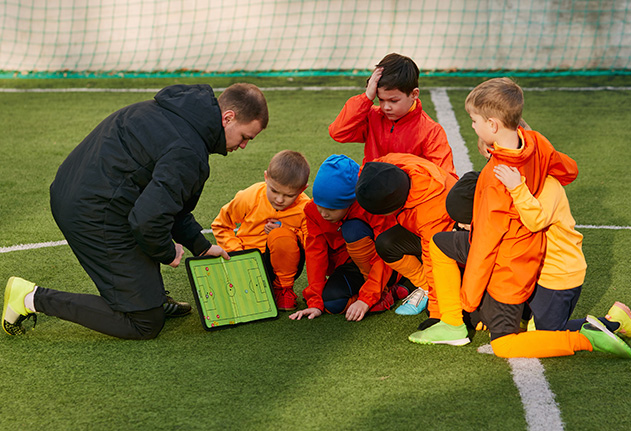 Observation Tips for Coaches
-
Watch how often players scan before receiving — awareness drives tactical intelligence.
-
Observe player positioning during transitions: are they reacting or anticipating?
-
Look for communication and teamwork — are players helping each other stay organised?
-
Assess if players are applying spacing principles as the format expands.
-
Evaluate decision-making speed: are players recognising patterns and adapting?

Cupello
UEFA B Coach, FA Level 3, FA Youth Modules 1, 2 and 3, Coerver Youth Diploma, SPAIN: Catalan Football Federation Smart Football, USA: United Soccer Coaches diploma. Sports journalist for the Sunday Mirror published author of several volumes of coaching books & international lecturer on soccer.