
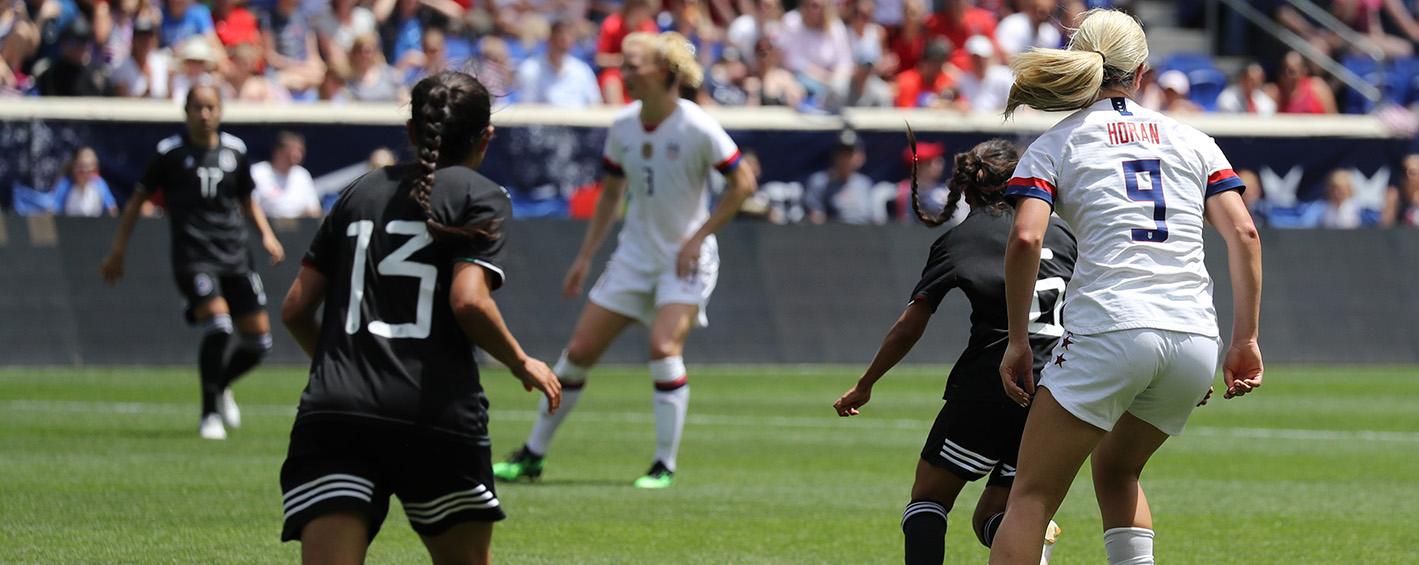
For youth coaches, incorporating possession games into training is not just about keeping the ball — it’s about teaching players to think, move, and act like elite professionals.
When players learn to value possession, they begin to understand space, timing, and teamwork. They learn patience in attack, how to draw opponents out of position, and when to penetrate quickly. Every pass becomes a decision, every touch a moment of control and creativity. These games build football intelligence — the ability to see pictures before they happen — and this separates good players from great ones.
However, to truly engage young players, possession practices should always include an element of goal scoring. Add mini goals or finishing zones to encourage players to turn possession into purpose. This helps players transition smoothly from build-up play to creating and taking chances — just as top teams do.
By combining possession with finishing opportunities, coaches keep sessions competitive and fun while reinforcing key tactical principles. Players not only improve technically but also gain confidence in attacking situations.
Key takeaway:
Possession-based games are more than drills — they are blueprints for how the modern game is played. Blend in shooting, creativity, and competition, and your players will not only enjoy training more but will also learn to control, create, and convert — the true marks of top-level soccer.
Coach’s Tip: End each possession game with a finishing challenge — the team that completes five passes and scores in a mini goal wins double points.
⚽ Key Phrases to Use During the Session
Use these short, powerful cues to guide player behaviour and reinforce learning during possession-based practices:
-
“Can you keep the ball moving?” – Encourages quick passing and off-the-ball support.
-
“Play with purpose — can we find the forward pass?” – Reminds players that possession isn’t just about keeping the ball, but progressing it.
-
“See the next pass before you receive.” – Promotes scanning and anticipation.
-
“Patience before penetration.” – Reinforces timing and understanding of when to attack.
-
“Finish what you’ve built!” – Links possession play to end-product (shooting).
-
“Support the ball, make the triangle.” – Encourages constant movement and angles for passing options.
💡 Player Challenges
Set individual or team challenges to encourage focus and learning through competition:
-
Challenge 1: Can your team complete 5 passes before attempting to score?
-
Challenge 2: Who can find the most forward passes under pressure?
-
Challenge 3: Can you switch play to attack space on the opposite side?
-
Challenge 4: After regaining possession, can you create a scoring chance within 10 seconds?
-
Challenge 5: Who can combine possession and finishing — scoring from a passing move involving 4+ teammates?
🔍 Observation Tips for Coaches
What to watch for and guide during the session:
-
Body orientation: Are players scanning and receiving side-on to see multiple options?
-
Support angles: Are teammates creating triangles to maintain possession under pressure?
-
Tempo changes: Do players know when to slow down and when to accelerate play?
-
Transition reactions: How quickly do players react when losing or regaining the ball?
-
Finishing decisions: Are players confident enough to shoot when the chance appears instead of overplaying?

Player Handout: Possession Under Pressure
Focus: Staying calm, confident, and clever when opponents press you.
What You’ll Learn:
-
How to protect the ball using your body and first touch.
-
How to scan before receiving so you always know your next move.
-
How to move and support teammates to give them options under pressure.
-
How to stay composed – don’t panic, make simple passes, and keep the team in control.
-
How to turn defence into attack by keeping the ball and playing forward when the chance comes.
Key Tips:
-
“First touch sets up your second.”
-
“Don’t hide – show for the ball.”
-
“Play what you see, not what you hope.”
-
“Be brave – keeping the ball wins games.”
Weekly Challenge:
Can you go one full minute in a possession game without losing the ball under pressure?
Focus on your first touch, awareness, and communication.
Remember:
The best teams don’t panic – they stay calm, keep the ball, and make the opponent chase. Every touch is a chance to show confidence and control.


Improve Your GameJust 1.99 p/m
Exclusive drills and sessions, get involved today!
- 100’s of Drills
- Coach to Camera Videos
- Sessions from Pro’s
- Industry Leading Advice
✅ Coach’s Takeaway
Great possession teams don’t just keep the ball — they use it with intelligence and intent.
Your role is to help players balance patience with penetration, build-up with bravery, and control with creativity.


Cupello
UEFA B Coach, FA Level 3, FA Youth Modules 1, 2 and 3, Coerver Youth Diploma, SPAIN: Catalan Football Federation Smart Football, USA: United Soccer Coaches diploma. Sports journalist for the Sunday Mirror published author of several volumes of coaching books & international lecturer on soccer.