
Watching and gaming can become powerful tools to help players understand how the game really works.
1. Teach Players How to Watch, Not Just What to Watch
Most players follow the ball. Coaches should train them to watch away from it. Ask simple questions: Where is the space? Who is moving before the pass? What does the player scan before receiving? Pause clips and challenge players to predict the next action. This turns passive watching into active learning.
2. Scanning and Decision-Making Through Observation
When watching matches, highlight moments where players check their shoulders before receiving, open their body shape, or play one-touch to escape pressure. Link this directly to training: “That’s why we scan before the ball arrives.” Seeing elite players do it repeatedly builds understanding faster than explanation alone.
3. Movement Without the Ball
Encourage players to notice runs that don’t receive the pass. Third-man runs, decoy movements, and players creating space for teammates are often invisible to young eyes—until a coach points them out. These movements are how teams exploit weaknesses without always touching the ball.
4. Using Video Games as a Learning Tool
Football video games reward good spacing, timing, and decision-making. Ask players what happens when they crowd the ball or ignore wide areas—it fails. Help them recognise that the same principles apply on the pitch: width stretches teams, quick combinations break lines, and smart positioning creates chances.
5. Connect Watching, Gaming, and Playing
The key is connection. After matches or training, ask players to bring examples: “Who created space well this weekend?” or “What decision worked in your game?” This builds football intelligence.


Improve Your GameJust 1.99 p/m
Exclusive drills and sessions, get involved today!
- 100’s of Drills
- Coach to Camera Videos
- Sessions from Pro’s
- Industry Leading Advice
When players learn to see the game, not just play it, everything improves. Watching football stops being entertainment alone—and becomes education.
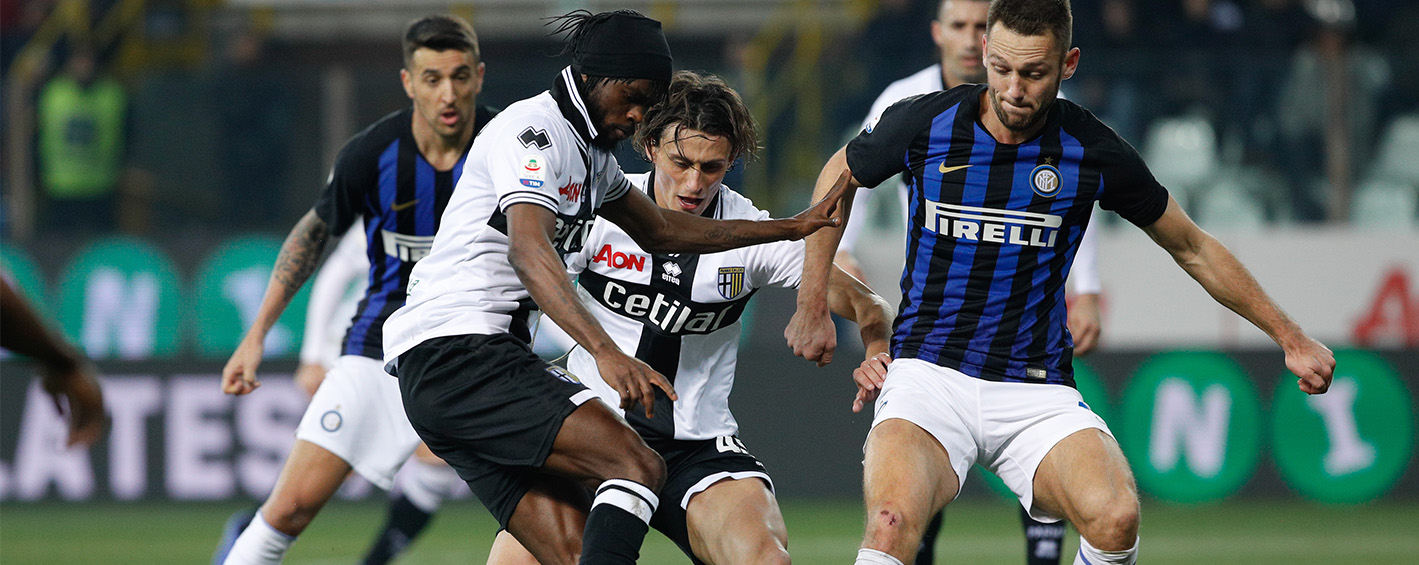
When watching a football match, players (or aspiring analysts/serious fans) should focus less on the ball itself and more on the tactics, player movement off the ball, and team structures to gain a deeper understanding of the game.

Cupello
UEFA B Coach, FA Level 3, FA Youth Modules 1, 2 and 3, Coerver Youth Diploma, SPAIN: Catalan Football Federation Smart Football, USA: United Soccer Coaches diploma. Sports journalist for the Sunday Mirror published author of several volumes of coaching books & international lecturer on soccer.